
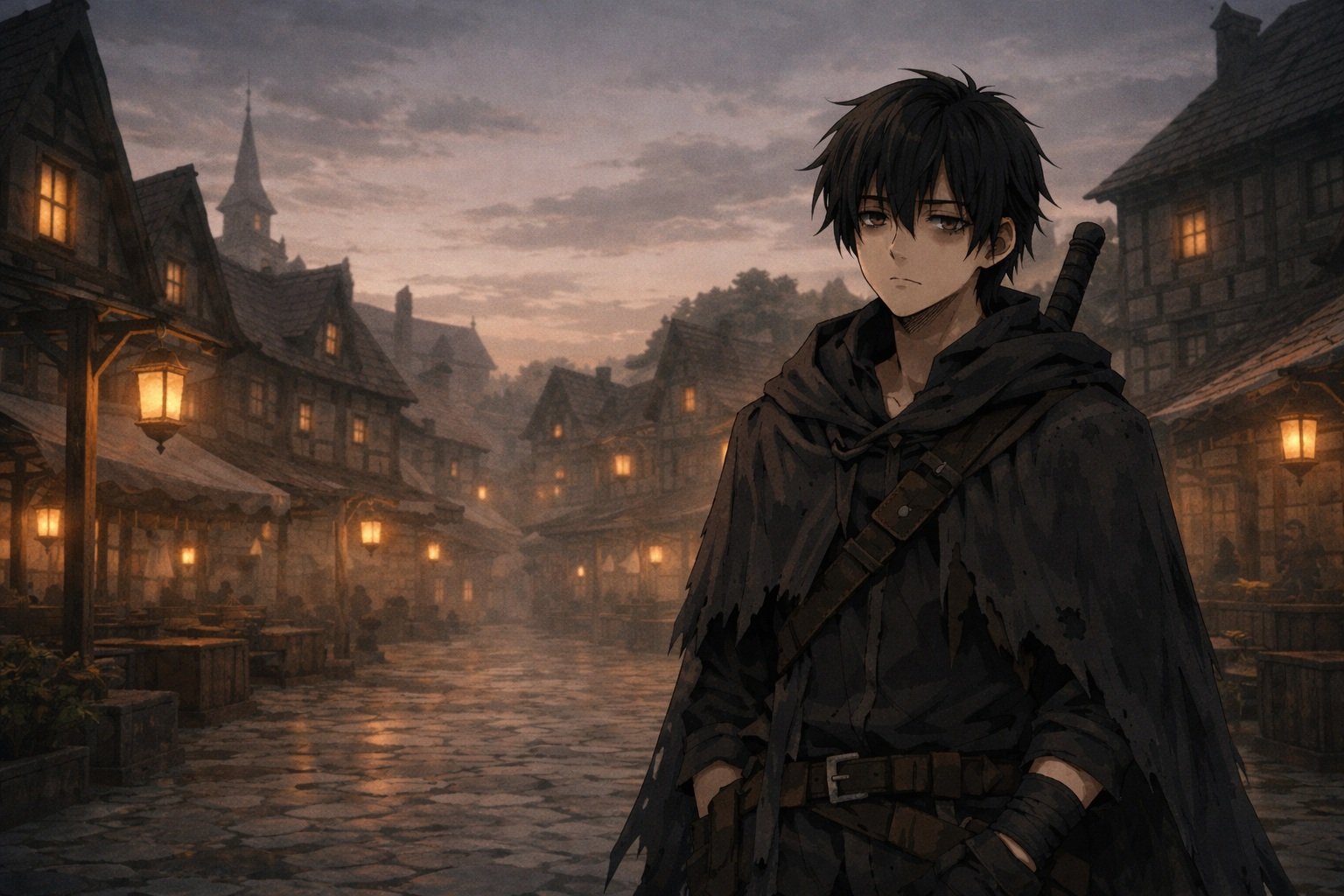

Introduction
Nito’s Lazy Foreign World Syndrome Chapter 36 Rawkuma continues the calm yet emotionally layered journey of a protagonist who refuses to follow the usual heroic path of an isekai story. This chapter builds quietly on earlier developments while adding new depth to Nito’s mindset, his relationships, and the world that surrounds him. Rather than focusing on explosive battles or dramatic twists, Chapter 36 delivers steady progression, character reflection, and subtle tension that fans of the series have come to appreciate.
In this article, you will find a detailed exploration of what happens in Chapter 36, why it matters within the larger narrative, and how Rawkuma readers typically interpret its themes. The goal is to help readers understand the chapter more clearly while also offering insights that enhance the overall reading experience.
Overview of Nito’s Lazy Foreign World Syndrome as a Series
Nito’s Lazy Foreign World Syndrome stands out in the isekai genre because it deliberately slows down the pace. Instead of constant conflict, the story centers on survival, adaptation, and emotional exhaustion. Nito is not driven by ambition or a desire for power. His defining trait is fatigue, both mental and emotional, which shapes every decision he makes.
Throughout the series, readers see a world that feels dangerous and unpredictable, yet oddly quiet. The magic system exists, monsters are real, and threats are present, but the story rarely rushes into spectacle. This approach allows the narrative to focus on internal struggles, social dynamics, and the psychological impact of being transported into another world.
By the time readers reach Chapter 36, the series has already established its tone and expectations. The chapter does not try to reinvent the story. Instead, it refines what the series does best, which is presenting small but meaningful progress that feels realistic and grounded.
What Happens in Nito’s Lazy Foreign World Syndrome Chapter 36 Rawkuma
Nito’s Lazy Foreign World Syndrome Chapter 36 Rawkuma focuses on continuation rather than disruption. The chapter advances existing situations instead of introducing dramatic new conflicts. Readers see Nito navigating daily challenges while maintaining his cautious and withdrawn nature.
One of the key elements of this chapter is how Nito responds to his surroundings. His actions are minimal, but his thoughts reveal a great deal. He remains observant, often analyzing people and situations from a distance. This internal perspective gives readers insight into his emotional state and reinforces the idea that survival for Nito is more mental than physical.
The pacing of Chapter 36 allows conversations and quiet moments to breathe. These scenes may seem uneventful on the surface, but they carry weight because they shape how Nito connects with others. Even brief interactions highlight trust issues, unspoken tension, and the slow development of mutual understanding.
Rawkuma readers often appreciate this chapter because it respects continuity. Nothing feels rushed, and each moment fits naturally within the story’s established rhythm.
Character Development and Nito’s Mental State in Chapter 36
Chapter 36 places strong emphasis on Nito’s inner world. His laziness is not simple indifference. It is a defense mechanism formed through exhaustion and past trauma. In this chapter, readers see subtle signs that Nito is changing, even if he does not fully acknowledge it himself.
There is a noticeable balance between caution and acceptance. Nito remains wary of others, yet he no longer isolates himself completely. His choices suggest a growing awareness that total withdrawal is not sustainable. This shift is not dramatic, which makes it feel authentic.
Supporting characters also play a role in shaping Nito’s mindset. Their presence, even when passive, influences his decisions. Chapter 36 uses small reactions and quiet dialogue to show how relationships evolve without forcing emotional breakthroughs.
This careful character writing is one of the reasons the chapter resonates with long time readers. It respects the slow burn nature of Nito’s growth and avoids sudden personality changes that would feel unrealistic.
Why Chapter 36 Is Important to the Overall Story
Nito’s Lazy Foreign World Syndrome Chapter 36 Rawkuma may appear calm, but its importance lies in foundation building. The chapter strengthens narrative threads that will likely matter later in the story. Emotional stability, trust, and routine are all themes that gain attention here.
This chapter reinforces the idea that progress does not always come through conflict. Instead, it comes through endurance and consistency. For an isekai series that often challenges genre expectations, this approach feels intentional and meaningful.
From an SEO and reader interest perspective, Chapter 36 is often searched because it represents a transition point. Readers want to know whether the story maintains its tone or shifts direction. The answer, in this case, is consistency. The chapter confirms that the series remains committed to its unique identity.
By focusing on atmosphere and character depth, Chapter 36 strengthens the emotional payoff of future developments. It quietly prepares the ground without drawing attention to itself.
Reading Nito’s Lazy Foreign World Syndrome Chapter 36 on Rawkuma
Rawkuma has become a popular platform for readers following this series due to its accessibility and timely updates. Nito’s Lazy Foreign World Syndrome Chapter 36 Rawkuma is commonly sought by readers who want to stay current with the story or revisit specific moments.
When reading on Rawkuma, readers often focus on translation flow and clarity. Chapter 36 benefits from its dialogue driven structure, which tends to translate more smoothly than action heavy chapters. This makes the emotional nuance easier to grasp.
It is also worth noting that chapters like this are best read without rushing. The pacing encourages careful reading, allowing subtle expressions and internal thoughts to land properly. Readers who approach Chapter 36 expecting fast plot movement may miss its strengths. Those who appreciate character focused storytelling often find it rewarding.
Themes and Subtle Messages in Chapter 36
One of the strongest aspects of Nito’s Lazy Foreign World Syndrome Chapter 36 Rawkuma is its thematic consistency. The chapter continues to explore exhaustion, survival, and the cost of constant vigilance. Nito’s laziness is portrayed not as a flaw, but as a coping strategy.
Another recurring theme is quiet resilience. Nito does not confront problems head on, yet he continues moving forward in small ways. This reflects a more realistic portrayal of endurance, especially for readers who relate to emotional burnout.
The chapter also touches on the idea of choice. Even in a foreign world, Nito exercises control by choosing when to engage and when to withdraw. Chapter 36 reinforces that these choices matter, even if they seem insignificant at the time.
These themes add depth to the story and contribute to its appeal beyond typical genre expectations.
Closing Thoughts on Nito’s Lazy Foreign World Syndrome Chapter 36 Rawkuma
Nito’s Lazy Foreign World Syndrome Chapter 36 Rawkuma delivers a thoughtful and steady continuation of the series. It does not rely on spectacle or dramatic twists. Instead, it deepens character understanding, reinforces core themes, and maintains the calm yet tense atmosphere that defines the story.
For readers who value emotional realism and slow character development, Chapter 36 offers meaningful progression. It reminds the audience that growth can be quiet and that survival in another world is not always about strength or ambition.
As the series moves forward, the foundations laid in this chapter are likely to support more impactful moments later on. Chapter 36 stands as a solid example of why this story continues to attract dedicated readers who appreciate its unique approach to the isekai genre.
